Your team is fine against man. Six weeks of practice, the base offense looks like something, the cuts are on time. Then Friday comes, the other coach drops into a 2-3 after the opening basket, and the whole thing turns into the same possession over and over: pass to the wing, pass back to the top, pass to the other wing, pass back, contested three with eight seconds left because nobody knew what else to do.
That is not a talent problem. It is an information problem. Nobody on the floor could have told you what that zone was protecting, which two seats hurt it, or what the offense was actually trying to make the defense do.
This post is about fixing that at U16 and U18, where zone defense is legal in most competitions, common enough that you will see it several times a season, and where the players are physically and cognitively able to execute the answer. That last part matters. Everything below assumes players who can throw a one handed skip pass across the floor, catch a ball at the free throw line with three defenders around them, and hold a shape for four seconds without wandering.
First, a word about the age band
Younger teams are a different conversation, and not only because the skills are not there yet. Several national federations restrict or ban zone defense outright in the youngest age groups, and the exact age and the exact wording differ from country to country. The competition rules you actually play under are the only authority worth quoting, so read them rather than a blog post. FIBA publishes the Official Basketball Rules and the interpretations in its resource hub, and your national federation publishes the local youth competition regulations on top of them.
The practical version: if you coach U12 or U14, your zone offense time is better spent on catching, passing on the move and finishing, because the defense you will face is either man by regulation or a zone so soft that good spacing beats it by accident. If you coach U16 or U18, zone offense is a real part of your season and it deserves real practice minutes.
Step one: diagnose the zone before you attack it
Most zone offense fails before the first pass, because the offense ran the answer to a different question. Teams install "our zone offense" as one thing and then run it against every zone they see.
Train your point guard to answer two questions before the ball crosses half-court.
How many players are on the front line?
Look at the top. Two players up top is an even front: a 2-3, or a 2-1-2 with the middle man higher. One player up top is an odd front: a 1-2-2, a 1-3-1, or a 3-2 that is really a 1-2-2 with the wings extended.
The old rule still holds and is still the fastest thing to teach: attack an even front with an odd alignment and an odd front with an even alignment. Against a 2-3, put one player at the top of the key so he stands in the seam between the two guards instead of in front of one of them. Against a 1-2-2 or a 1-3-1, put two players up top so the single point defender has to pick one and be wrong about the other.
What is this zone protecting, and what is it giving me?
Every zone gives something up. The alignment tells you what.
The 2-3 protects the paint and the low block. Two defenders up, three across the bottom. What it gives up: the high post at the free throw line, the short corner on both sides, the two deep corners, and the seams between the top defenders and the wings. It is the zone most teams play at U16 and U18, usually because it hides a slow big and a weak on-ball defender at the same time.
The 1-2-2 or 3-2 protects the arc and the wings. It is often played by teams that got tired of giving up threes. What it gives up: the free throw line area and the blocks. The middle of the floor is soft and the back two defenders are covering an enormous amount of ground.
The 1-3-1 protects the middle and the wings aggressively and traps well. What it gives up: both corners, the weak-side baseline, and the defensive glass, because only one defender is genuinely responsible for the bottom of the floor. It is a trapping zone that punishes a careless offense and dies against a patient one that gets to the corners.
The match-up zone looks like a zone on the first pass and plays man principles after that. Pure ball movement does not confuse it. Cutting and screening does, because match-up rules break down when two offensive players cross in the same area.
Three more things to watch in the first two possessions
- Does the zone extend to the arc or sit inside it? An extended zone is vulnerable behind the front line. A sagging zone means the ball has to get into the paint by pass, not by dribble.
- Do they trap? Corners and wings are the usual trap spots. If they trap the corner, the corner is bait, and your answer is a prepared release back to the wing and a skip out of it.
- Does the middle defender in a 2-3 come up to meet the high post, or stay home? This single detail decides which of your two answers is on the menu tonight. If he comes up, the low block is open behind him. If he stays home, your high post has a shot and a face up.
Teach the point guard to shout the call. "Two up, they sag, five stays home." That is the whole scouting report and it takes one possession.
The principle underneath everything: attack gaps, not bodies
Here is the sentence to hang the whole system on. A zone defends the ball and space. A man defense defends people. So the job of a zone offense is to put one defender in a position where he is responsible for two players at the same time, and then punish whichever one he leaves.
That means the ball has to get inside the perimeter. Passing around the arc moves the ball without moving the defense. The zone slides, the shape holds, nobody is ever wrong, and the shot clock drains.
Three habits do most of the work:
- Dribble into gaps, not at defenders. The guard attacks the seam between the two top defenders in a 2-3, or between a top defender and the wing. One dribble into the gap forces a commitment. The pass comes out of the commitment, not before it.
- Fake the pass you are not making. Ball fakes are far more effective against a zone than against man, because zone defenders read the ball. A shot fake from the wing moves the bottom defender a full step, and a step is the whole margin.
- Catch ready. Every catch inside the arc should be a triple threat facing the rim, not a catch followed by two dribbles while the zone recovers.
The two seats that hurt a 2-3
If you only teach two positions this season, teach these.
The high post
A player at or just above the free throw line, in the gap between the two top defenders and above the middle man. This is the single most uncomfortable place to be guarded in a 2-3, because nobody owns it.
The rules for that player:
- Catch facing the rim. Chin the ball, eyes up.
- Read in order. Opposite low block first, short corner second, your own shot third, kick back out fourth. The order matters because the two inside looks disappear fastest.
- If the middle defender steps up to meet the catch, the opposite block seals across and the high-low pass is on. That pass is a two hand overhead pass to the outside shoulder, never a lob into the crowd.
- If the middle defender stays home, the high post has a 15 foot shot or a straight line drive at a defender who is already backing up.
Getting the ball there is the other half. Wing pass over the top of the front line, or a guard dribble into the seam that pulls a top defender and opens the passing lane behind him.
The short corner
The short corner is the baseline area outside the paint, roughly between the block and the corner, around eight to twelve feet from the rim. It is the seat that breaks the bottom defender.
Put a player there and the bottom defender has a problem with no good answer. If he steps out to the short corner, the rim is open for a dive from the opposite block or a cut from the high post. If he stays home, your short corner player has a short jumper or a baseline drive at a defense that has already lost its shape.
Put both seats on the same side at once and you have a three man bind: the middle defender is caught between the high post and the block, the bottom defender is caught between the short corner and the rim, and the ball still has the option to reverse. This is the core of most good 2-3 offenses and it is worth more practice time than any set play you will draw this season.
Overload a side, then make them pay for shifting
Overloading means putting four players on one side of the floor: corner, wing, high post, short corner, with the fifth player at the top or the opposite wing.
Now the three man back line has to cover four players in a smaller area, and the front line has only one man on the ball side. Something is open. Usually it is the short corner or the corner itself.
One warning, because this is the most common way an overload gets wasted: an overload that never reverses is just a crowd. The overload exists to pull the zone one direction so the skip pass out of it is worth something. If you run it for eight seconds and shoot out of it on the strong side, you have done the defense a favor by standing four players in the space they were already guarding.
Reversal speed, and the skip pass
A zone is only a zone when it is set. Every reversal costs the defense a slide, and slides are where the shape breaks.
The mistake is treating ball reversal as a rhythm exercise. One pass every two seconds around the perimeter is rest for the defense. They slide, they arrive, they set, they wait for the next pass. You are literally pacing them.
What breaks a zone is two reversals inside four seconds, or one pass that skips the reversal entirely.
How to throw a skip pass that works
- On a line, over the reach of the front line, not a lob. A lob gives the closest defender time to get there. A one handed baseball pass or a two hand overhead pass on a flat line does not.
- Throw it to the far wing or the far corner, the two places the zone is slowest to reach.
- The receiver must be a threat on the catch. Shoot, drive, or swing within half a second. A skip pass that arrives and gets pounded twice is a skip pass wasted, because the zone has already recovered and you have burned four seconds getting back to where you started.
- Practice it from the corner, not just from the top. A skip out of a trapped corner is a scoring pass and it is the release valve that makes a trapping zone stop trapping.
The fastest reversal is through the middle
Pass into the high post and back out to the opposite wing. That reversal moves the ball across the floor in two passes through the middle of the defense, which forces the zone to collapse before it slides. Perimeter reversal gives the defense a warning. Inside out reversal does not.
Screen the zone, because nobody at this age expects it
This is the most under-coached part of zone offense at U16 and U18, and it is the part that turns a decent zone offense into a scoring one.
Zone defenders watch the ball. That means they do not see screens coming.
Back screening the back line
While the ball is on one side, a wing or corner player on the weak side screens the bottom defender from behind. The cutter comes into the open block or the opposite short corner, and the defender never saw the screen because his eyes were on the ball. This is the single highest value action against a 2-3 and it takes fifteen minutes to teach.
Screening the top
Two versions, both useful.
- Screen the ball-side top defender so the guard can dribble into the seam on purpose rather than hoping it opens.
- Screen the top defender who has to bump over on the reversal. Delay him by one beat and the far wing catches with nobody near him.
The rule to give the players: screen the defender who has to move on the pass you are about to make, not the one guarding the ball right now. That sentence takes a while to sink in and it is worth repeating until it does.
On legality: screens against a zone follow the same rules as any other screen. The screener has to be set, and because a zone defender frequently cannot see the screener, the screener has to give the distance the rules require for a defender in that position. Teach it correctly or you will teach your team to collect moving screen fouls in a playoff game.
Offensive rebounding: the points a zone hands you
This is the part coaches skip and then wonder where the margin went.
In a zone, nobody has an assigned man, so nobody has an assigned box out. Back line defenders box out an area and a habit. The second and third offensive player arriving at the rim is frequently unguarded, not because the defense is lazy but because the defense genuinely does not know whose job it was.
Make the crash a rule instead of an instinct:
- Two weak-side players go every shot. Usually the weak-side wing and the high post, who is already inside.
- One safety, normally the point guard, gets back above the arc immediately.
- The shooter follows his own shot only from inside the arc, never from the corner.
The old coaching convention is that a missed shot from the wing tends to come off long and to the opposite side. It is a reasonable place to start your crashing angles, and you should check it against your own team in your own gym rather than take it on faith.
There is a rules reason this is worth so much. Under FIBA rules the shot clock resets to 14 seconds after an offensive rebound rather than the full 24, which sounds like a penalty and is actually a gift here: you get a scrambled zone that has not reset its shape, and 14 seconds is plenty of time to score against a defense that is not organised. Note that shot clock rules differ in some domestic youth competitions, so check yours.
Shot clock discipline, or why the first open three is a trap
Against a 2-3 there is almost always an open three somewhere on the perimeter within the first six seconds. It is open because the defense is content to give it to you. Taking it is not aggression. It is the defense winning the possession without moving.
Give your team an explicit rule and name it, so it is a standard rather than a shout from the bench. Two versions that work:
- Paint touch first. The ball has to touch the high post, the short corner, or the paint off a drive before a perimeter shot goes up. After that, shoot with confidence.
- Second reversal. The ball has to change sides of the floor twice before a jump shot, unless it is a layup or a shot created out of an offensive rebound.
Either rule turns the same three pointer from a possession you gave away into a possession you earned, because the defense that closes out on the second reversal is a broken defense and the shooter is genuinely open rather than merely unguarded.
The nuance to say out loud to the team: this is not "do not shoot threes". A good zone offense often ends in a three. The difference is whether the three is the first thing you found or the last thing the defense had left.
What to drill on Tuesday so it holds on Friday
Zone offense collapses in games when it was taught as a diagram rather than as reps. Here is a block that fits in 25 to 30 minutes, run twice a week for two weeks, which is realistically all the time you have.
1. Shape and reversal, 5-on-0 with chairs. Set five chairs in the 2-3 alignment. Offense holds the alignment and completes two full reversals in under four seconds, with the high post and short corner filled every time. No shooting. You are building the shape, not the finish.
2. Live shell zone with a scoring constraint. 5-on-5 against a scout team that must play real zone rules and actually slide. Scoring: one point for a perimeter make, three points for any score that came after a paint touch. The constraint teaches the discipline without you having to shout about it.
3. High post reads, 3-on-3 in the paint. High post, short corner and opposite block against the three back line defenders. Feed the high post, read in order: opposite block, short corner, shot. This is the drill that makes the high-low pass automatic.
4. Skip pass and attack on the catch. Two lines, a weak-side defender closing out hard. The receiver has half a second to shoot, drive or swing, with no dribble allowed before the decision. This drill is why your skip passes will produce points instead of resets.
5. Back screen the back line, 4-on-4 live. One side of the floor only. Ball on the wing, weak-side back screen, cutter to the block. Run it until somebody sets a legal screen without being told.
6. Crash and convert. Shoot from the wing, three crashers plus one safety, live ball on the rebound, four seconds to score. Ends the block with contact and competition.
Two things to avoid. Do not run zone offense against a scout team that is playing a lazy imitation of a zone, because your players will learn that the defense does not slide and then be shocked when it does. And do not install this in the week you play the zone team. The ideas need two weeks of Tuesdays before they survive Friday.
If you want the whole block sequenced into a real session with timings, the same logic we use in going from a game plan to a practice plan applies here: pick the two ideas that will actually win you the game, give them the majority of the minutes, and cut the third one.
The mistakes that repeat at this age
- Standing. The spots get taught, and the players park on them. Zone offense is a set of positions occupied in sequence, not five people standing in the right places.
- Perimeter passing as a substitute for offense. Five passes around the arc is not ball movement. If no pass threatened the defense, no pass happened.
- Never touching the paint. A whole possession where the ball stays outside the arc is a possession the zone won, whatever the shot was.
- Shooting the first open three. See above. It is the shot the defense picked for you.
- No screening at all. The most available advantage on the floor and the one most teams never take.
- No crashing plan. One shout about transition defense in October, and five players sprint back from every shot for the rest of the season.
- Running the 2-3 answer against a 1-3-1. The corners are wide open and nobody goes there because the offense was built for a different defense. This is the diagnosis failure from the top of the post, and it is depressingly common.
- Ball movement against a match-up zone. It will not work. Cut and screen instead.
- Treating zone offense as an emergency. If the first time your team sees a zone is in a game, the possession is decided before it starts.
- Forcing the system on the wrong roster. A zone offense that depends on a skilled high post passer is the wrong zone offense if you do not have one. The same argument we make about matching your offense to your roster applies exactly here: build the version your fifth best player can execute.
Put it on paper before Tuesday
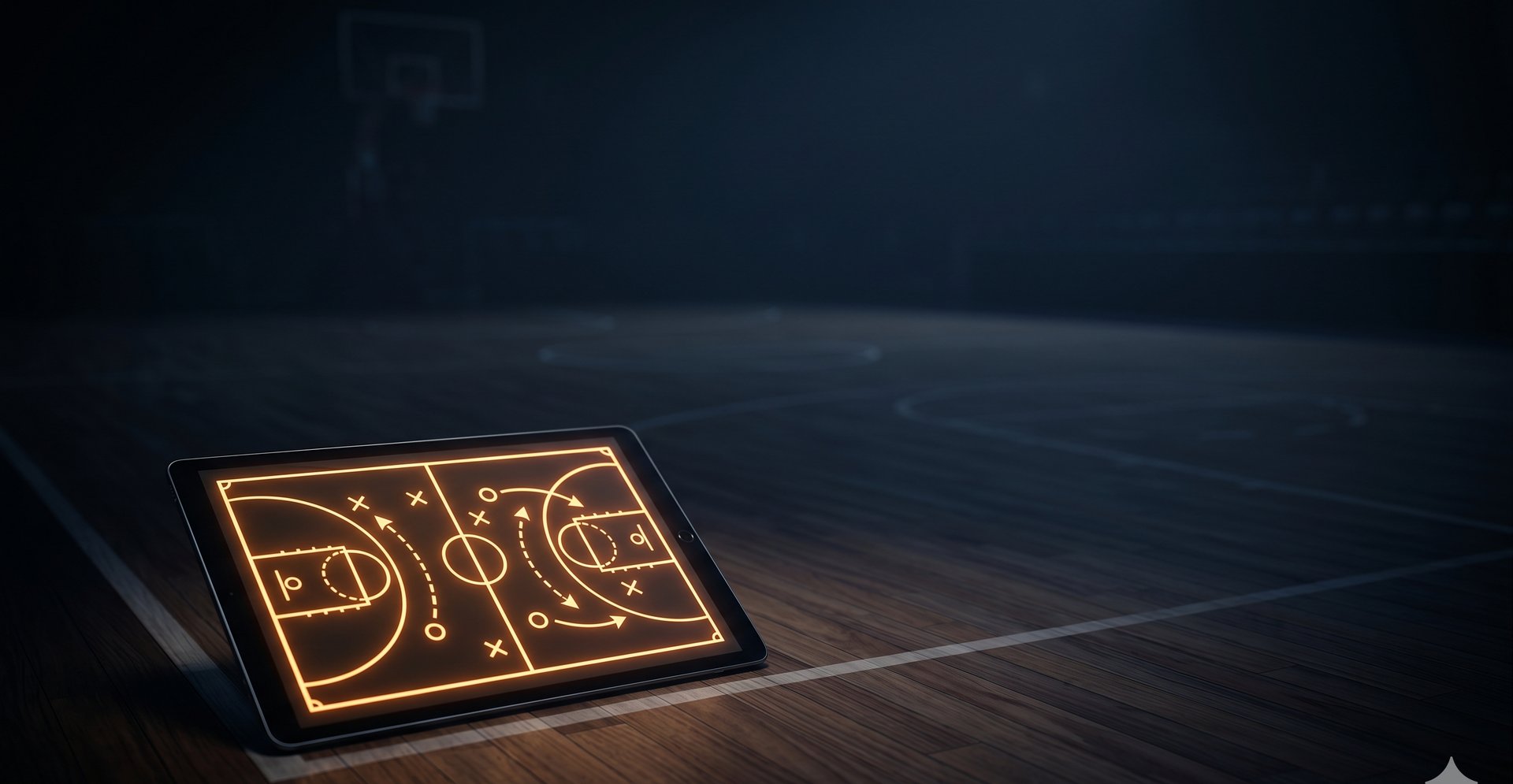
Two diagrams do more for a team than twenty minutes of talking. Draw the 2-3 alignment with your five spots on it, mark the high post and the short corner, then draw the skip pass and the crash rules on a second frame. Players who can see the shape hold the shape. You can draw both in a few minutes in the Play Creator and send them to the team as a link rather than a photo of a whiteboard.
If you want the scheme turned into an actual practice progression rather than a diagram, that is the handoff Ed Vance, the tactics specialist on the NextPlay AI staff, makes to Duncan on the training side: Vance works out what beats the zone you are facing, Duncan turns it into the drill sequence and the minutes, and it lands in your practice planner as Tuesday's session.
Frequently asked questions
What is the best offense against a 2-3 zone?
There is no single best set, but every good answer shares the same shape: one player in an odd alignment at the top so he sits in the seam between the two guards, a player at the high post, a player in the short corner, and fast ball reversal with a skip pass available. Fill the high post and the short corner on the same side, make the middle and bottom defenders responsible for two players each, and reverse the ball before the zone resets.
How do you attack a zone if your team cannot shoot?
You attack it inside, which is where a zone is most vulnerable anyway. Prioritise the high post catch, the high-low pass to the sealing block, short corner touches and offensive rebounding, and make the paint touch mandatory before any perimeter shot. A team that cannot shoot can still beat a zone with screening, cutting and second chance points, which is why the crashing rules matter so much for that roster.
What is the short corner in basketball?
The short corner is the area along the baseline just outside the paint, roughly between the block and the deep corner, about eight to twelve feet from the rim. It is valuable against a 2-3 because it forces the bottom defender to choose between stepping out to guard the ball and staying home to protect the rim, and either choice leaves something open.
Is it legal to screen a zone defense?
Yes. Screening a zone follows exactly the same rules as screening a man defense. The screener must be set and stationary at contact, and because zone defenders are watching the ball rather than the screener, the screener usually has to give the extra distance the rules require when a defender cannot see him coming. Teach that distance deliberately, or your team will pick up moving screen fouls in the games that matter.
How many players should crash the offensive glass against a zone?
Two crashers plus the player already inside, with one guard back as a safety, is a reasonable default at U16 and U18. Zone defenses have no assigned box outs, so the extra attacker is often unguarded, and under FIBA rules an offensive rebound resets the shot clock to 14 seconds against a defense that has not re-formed its shape. Adjust the number down only if the opponent is genuinely beating you in transition.
How long does it take to install a zone offense?
Plan on two weeks of two sessions each, roughly 25 to 30 minutes per session, before it holds under game pressure at this age. Installing it the week you face a zone team is the most common version of this mistake, and it usually produces players who know the diagram and cannot run it at speed.
Nothing above needs software. It needs two diagrams, four drills and a rule about when your team is allowed to shoot. If you want the drawing and the practice sequencing handled in one place, NextPlay is free for 14 days with no card, then 19 dollars a month, with the Video Hub and the telestrator on the 29 dollar Pro plan.